



Phone: 0086-13835148369
Tel: 0086-351-6814836 Ext.8032
Fax: 0086-351-8390339
E-mail: sxmidas.com@aliyun.com
Website2:www.midaspipelines.com
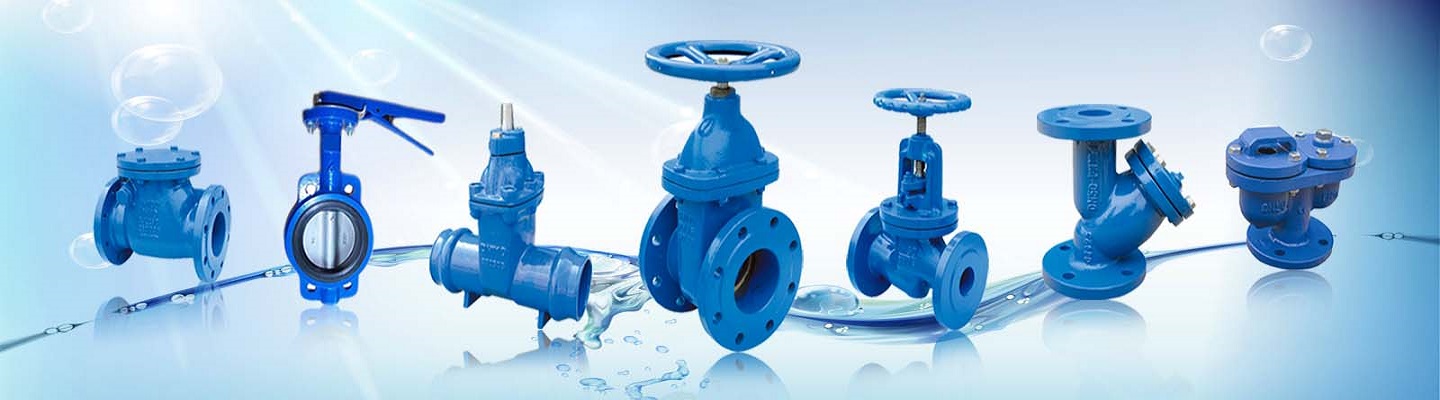
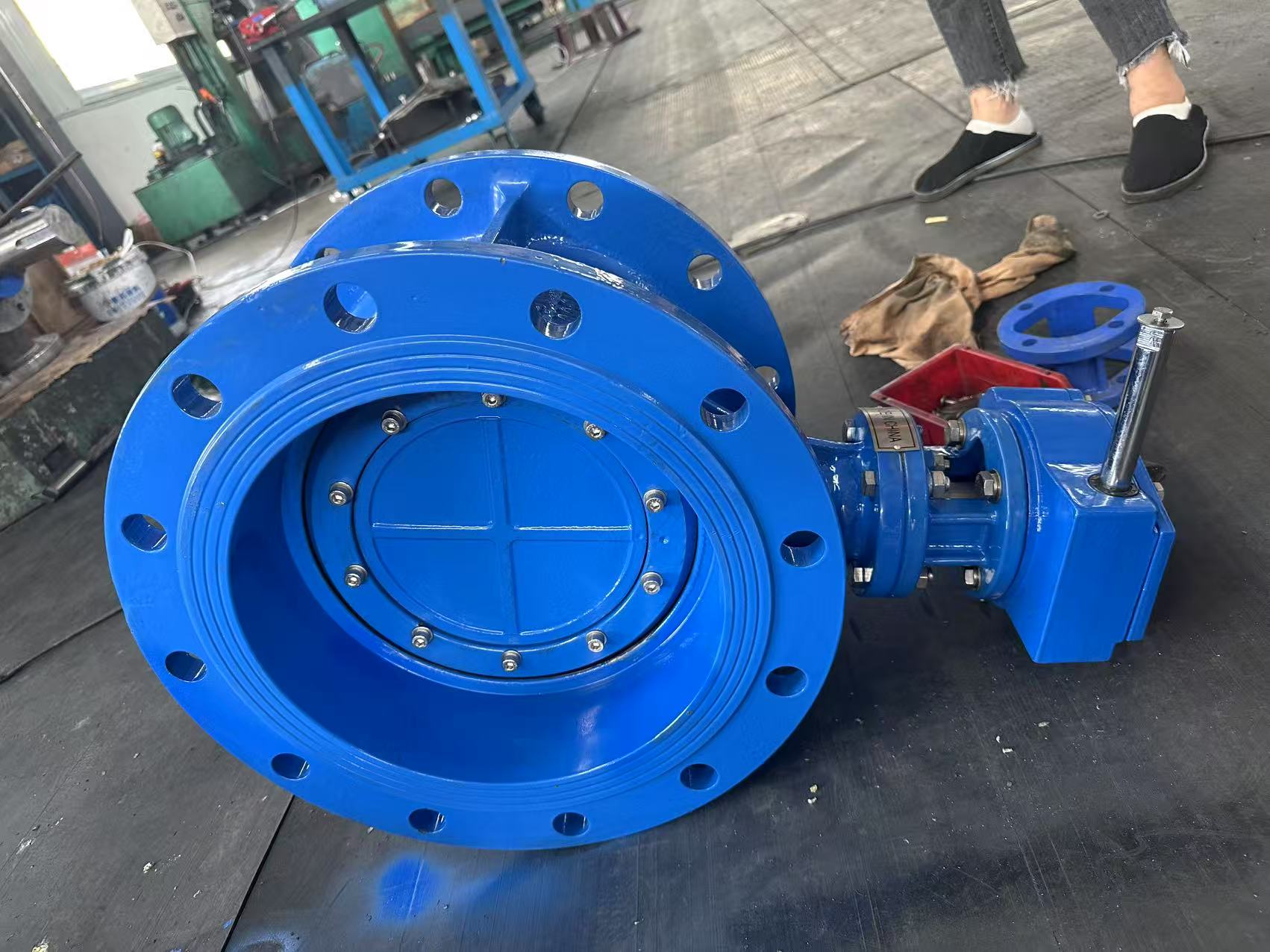
The sealing performance of butterfly valves is a core indicator determining their stable operation in industrial pipelines, which is directly related to the safety and reliability of medium transportation.
Soft-sealed butterfly valves achieve sealing through the compression deformation of elastic sealing materials. The sealing pair consists of a metal valve disc and a non-metallic sealing seat. When the valve is closed, the valve disc squeezes the sealing seat, causing the sealing material to undergo elastic deformation, fill the micro gaps on the sealing surface, and form a leak-free seal. Some bidirectional soft-sealed butterfly valves are designed with an eccentric structure to enhance the pressing force of the valve disc on the sealing seat and improve sealing reliability.
Soft-sealed butterfly valves can achieve zero leakage and are the first choice for low-pressure, normal-temperature, and clean medium working conditions. They are widely used in water supply and drainage, sewage treatment, HVAC, food, and pharmaceutical industries. Their advantages include simple structure, low cost, stable sealing effect, small opening and closing torque, and easy integration with automated actuation devices.
The sealing pair of hard-sealed butterfly valves is composed of a metal valve disc and a metal sealing seat, and the sealing surface is usually treated with special hardening processes. The sealing principles are divided into two types:
· Elastic hard sealing: The sealing seat or valve disc features an elastic structure. When the valve closes, the elastic component deforms, ensuring the metal sealing surfaces fit tightly together for effective sealing.
· Multi-layer hard sealing: The design features a sealing structure that consists of multiple layers of stacked metal. This construction utilizes the plastic deformation of the metal to fill any sealing gaps. Additionally, it enhances sealing performance through a labyrinth effect, resulting in an extremely low leakage rate.
2. Application Scenarios and AdvantagesHard-sealed butterfly valves can withstand high temperatures and high pressures, with strong wear and corrosion resistance. They are suitable for harsh industrial scenarios such as chemical engineering, petroleum, metallurgy, and electric power, including steam pipelines, high-temperature oil transportation, and particle-containing medium transportation. Their advantages include long service life and adaptability to complex and harsh working conditions. The disadvantages are a complex structure, high requirements for processing accuracy, high cost, and larger opening and closing torque than soft-sealed butterfly valves.
The core of selecting butterfly valve sealing technology is working condition matching: soft sealing is preferred for low-pressure and clean working conditions to pursue zero leakage and low cost; hard sealing must be selected for high-temperature, high-pressure, particle-containing, or corrosive working conditions to ensure long-term stable operation.
Previous: Surface Box Material Comparison
Next: Selection Guide for Ductile Iron Pipe T-type Socket Fittings
Phone: 0086-13835148369
Tel: 0086-351-6814836 Ext.8032
Fax: 0086-351-8390339
E-mail:sxmidas.com@aliyun.com