



Phone: 0086-13835148369
Tel: 0086-351-6814836 Ext.8032
Fax: 0086-351-8390339
E-mail: sxmidas.com@aliyun.com
Website2:www.midaspipelines.com
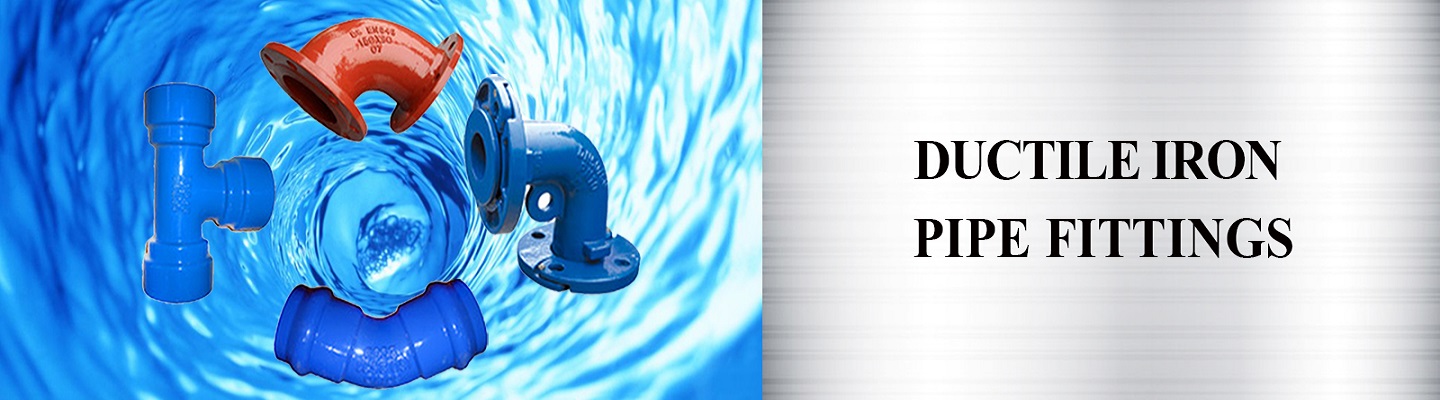
Ductile iron pipe T-type socket fittings, featuring flexible connection, settlement resistance, and reliable sealing, serve as core components in pipe network projects such as municipal water supply, drainage, and gas transmission. Selection should focus on four key aspects: working condition adaptation, parameter matching, material & craftsmanship, and standard compliance, to ensure that the fittings are perfectly compatible with pipes and application scenarios. The specific key points are as follows:
Working conditions are the primary basis for selection, and it is necessary to confirm the pipe network's purpose and environmental conditions emphatically: Municipal water supply pipe networks must prioritize pressure resistance and hygiene. The fittings used should adhere to drinking water transmission standards to prevent the precipitation of heavy metals. In contrast, drainage pipe networks should emphasize corrosion resistance, particularly in sewage systems, where the inner walls of fittings should be treated with anti-corrosion coatings. Gas pipelines must improve sealing performance and impermeability to minimize the risk of gas leaks.
For underground pipe networks, it's essential to consider soil settlement factors. Priority should be given to T-type socket fittings with excellent flexibility, which can accommodate settlement deformation through rubber sealing rings, thereby preventing joint fractures and leaks.
1. Caliber and wall thickness matching: The caliber of fittings must be completely consistent with the nominal caliber of ductile iron pipes, with common specifications ranging from DN100 to DN1600, which should be selected according to the flow requirements of the pipe network. The wall thickness should correspond to the pressure rating of the pipe. For municipal medium and low-pressure pipe networks, standard wall thickness fittings can be selected; for high-pressure pipe networks, thickened types are required to ensure that the pressure-bearing capacity meets the standard.
2. Sealing ring selection: The sealing core of T-type socket fittings is the rubber sealing ring, which should be selected according to the medium and temperature: food-grade nitrile rubber or EPDM sealing rings are suitable for drinking water pipe networks, featuring good aging resistance and no peculiar smell; corrosion-resistant rubber can be selected for sewage and gas pipe networks to avoid seal failure caused by medium erosion. The specification of the sealing ring must be precisely matched with the size of the fitting socket to ensure moderate compression.
3. Pressure rating adaptation: The pressure rating of fittings must not be lower than the design pressure of pipes and pipe networks. PN1.0 and PN1.6 are commonly used for municipal water supply. For industrial pipe networks, the pressure rating needs to be upgraded according to actual pressure conditions to prevent leakage or rupture under high pressure.
High-quality fittings should be made of QT450-10 or QT500-7 ductile iron with a spheroidization rate ≥ 85% and tensile strength ≥ 450MPa to ensure material toughness and strength. In terms of craftsmanship, centrifugal casting or sand casting should be adopted, with no defects such as sand holes, air holes, or cracks on the surface, and smooth inner walls without burrs to reduce medium flow resistance. The appearance should be anti-corrosion treated: the outer wall is coated with zinc spraying + asphalt, and the inner wall can be lined with cement mortar or epoxy resin to enhance corrosion resistance and extend service life.
During selection, it is necessary to confirm that the fittings comply with national standards. For municipal engineering, products conforming to GB/T 13295 or ISO 2531 standards are preferred. Regular manufacturers should provide third-party test reports, including hydrostatic test, sealing performance test, and material analysis data. At the same time, check the product marks, which should clearly indicate the caliber, pressure rating, production batch number, and manufacturer information. Products without marks or incomplete test reports are strictly prohibited.
To summarize, the selection of ductile iron pipe T-type socket fittings should be based on working conditions, with precise parameter matching, strict control of materials and craftsmanship, and adherence to standard bottom lines, so as to ensure the safe and stable operation of the pipe network system.

Previous: A Detailed Explanation of Butterfly Valve Sealing Technology
Next: Technical Difficulties and Solutions in the Construction of Large-Diameter Ductile Iron Pipes
Phone: 0086-13835148369
Tel: 0086-351-6814836 Ext.8032
Fax: 0086-351-8390339
E-mail:sxmidas.com@aliyun.com