




Phone: 0086-13835148369
Tel: 0086-351-6814836 Ext.8032
Fax: 0086-351-8390339
E-mail: sxmidas.com@aliyun.com
Website2:www.midaspipelines.com
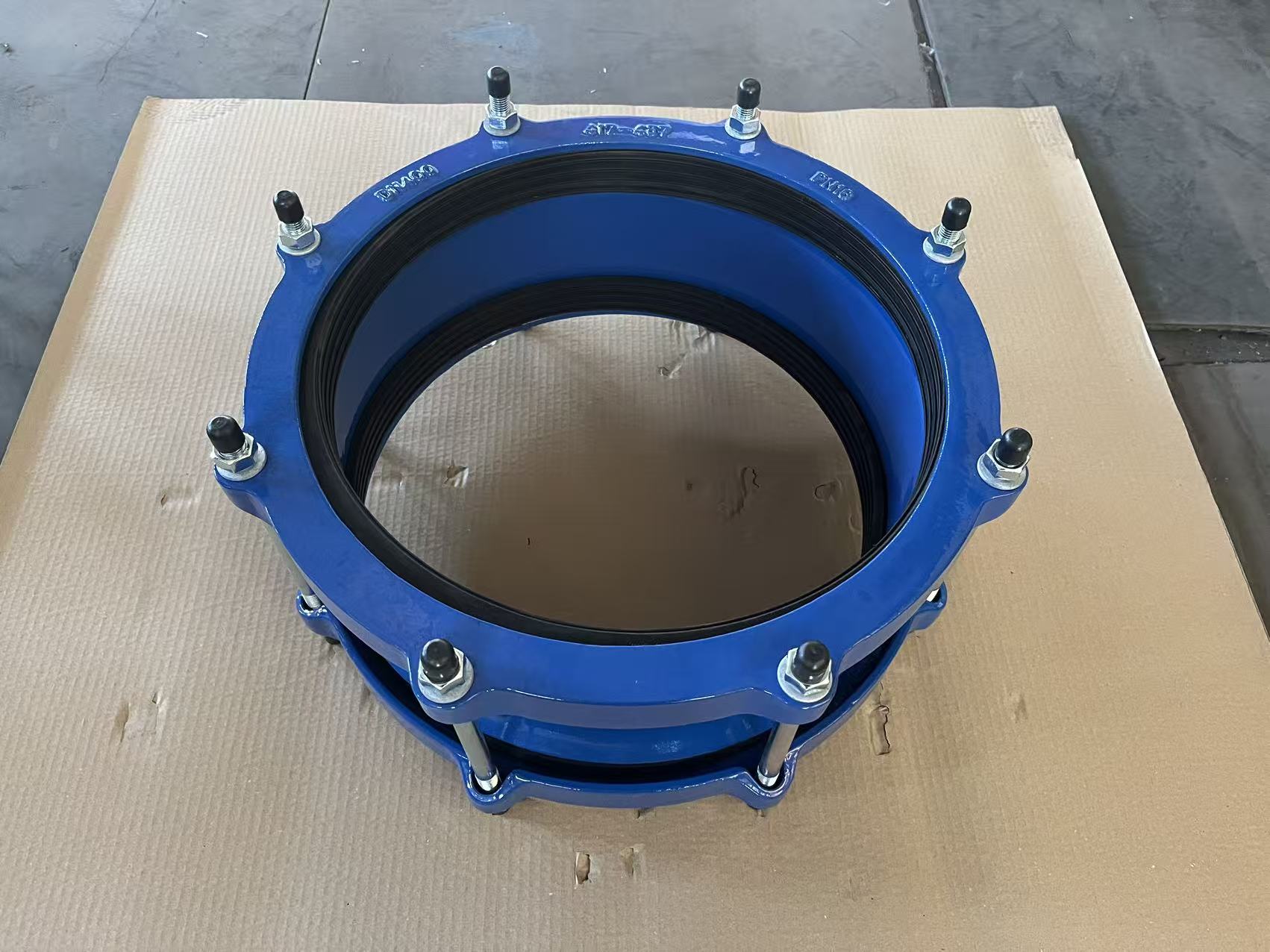
The wear parts of flexible couplings mainly include elastomers, seals, and buffer pads, which directly affect the coupling's vibration reduction, coaxiality deviation compensation, and torque transmission performance. To ensure stable equipment operation and reduce unplanned downtime, the following standardized replacement process is formulated.
Cut off the power of the connected equipment, hang a "No Switching On" sign, and wait for the equipment to cool down. Prepare matching disassembly tools, wear part spares, and auxiliary materials such as cleaning agents and lubricating grease. Confirm operators' qualifications and refer to the manual for technical parameters.
Mark the alignment positions of the coupling's driving end, driven end, and intermediate section. Loosen bolts to disassemble the protective cover and end cap, then use a puller to separate the two halves. Remove snap rings to take out old wear parts, and check for wear or corrosion on shaft holes and keyways.
III. Cleaning and InspectionWipe the contact surfaces, shaft holes, and seal grooves of the two coupling halves with a cleaning agent to remove oil stains, iron filings, dust, and other impurities; dry with a clean cloth after cleaning to avoid residual stains affecting assembly accuracy. Check the fit clearance between the coupling shaft holes and the motor and pump shafts to ensure compliance with design tolerances; check whether connectors such as bolts and nuts have thread slipping and deformation, and replace them if necessary; check whether the seal grooves have scratches to ensure no leakage risk after seal installation.
Evenly apply a thin layer of lubricating grease on the mounting surfaces of elastomers and seals to reduce assembly resistance; embed new wear parts into the mounting grooves according to the alignment marks to ensure that the elastomers are fully meshed with the coupling tooth grooves and the seals are attached without wrinkles. Butt the two halves of the coupling according to the pre-marked alignment lines, and install fixing components such as pressure plates and snap rings in sequence; tighten the connecting bolts diagonally with a torque wrench according to the specified torque. The torque value must strictly follow the product manual, and over-tightening or under-tightening is prohibited. Reset the coupling protective cover to ensure no interference between the protective cover and the coupling; for couplings with a sealed structure, apply sealant before installing the sealed end cap to prevent dust and water vapor from entering.
Conduct a no-load test run to check for abnormal noise and vibration; detect vibration values and coaxiality deviation. Run under load for 1–2 hours to monitor temperature rise and leakage. Record the wear parts' model, replacement time, and operating parameters, and formulate a 3–6 monthly inspection plan.
VI. NotesDo not mix wear parts of different models/materials. Avoid damaging sealing and elastic surfaces during assembly. Dynamic balance testing is required for high-speed and heavy-load couplings before use.
Previous: Application of Stainless Steel Pipes for Home Water Supply and Drainage Systems
Phone: 0086-13835148369
Tel: 0086-351-6814836 Ext.8032
Fax: 0086-351-8390339
E-mail:sxmidas.com@aliyun.com